Superstitions, Nazar & the Evil Eye: What Do They Really Mean?
Grab your chai and settle in ☕—because today we’re talking about superstition, symbolism, and why certain beliefs follow us across cultures and generations.
From knocking on wood to wearing a Nazar charm, superstition is more woven into daily life than we often realize. But where do these beliefs come from—and why do they still hold power?
Why Superstitions Exist Across Cultures
Superstitions often come from a desire for protection, control, or explanation during uncertain times. When life feels unpredictable, rituals and symbols offer comfort.
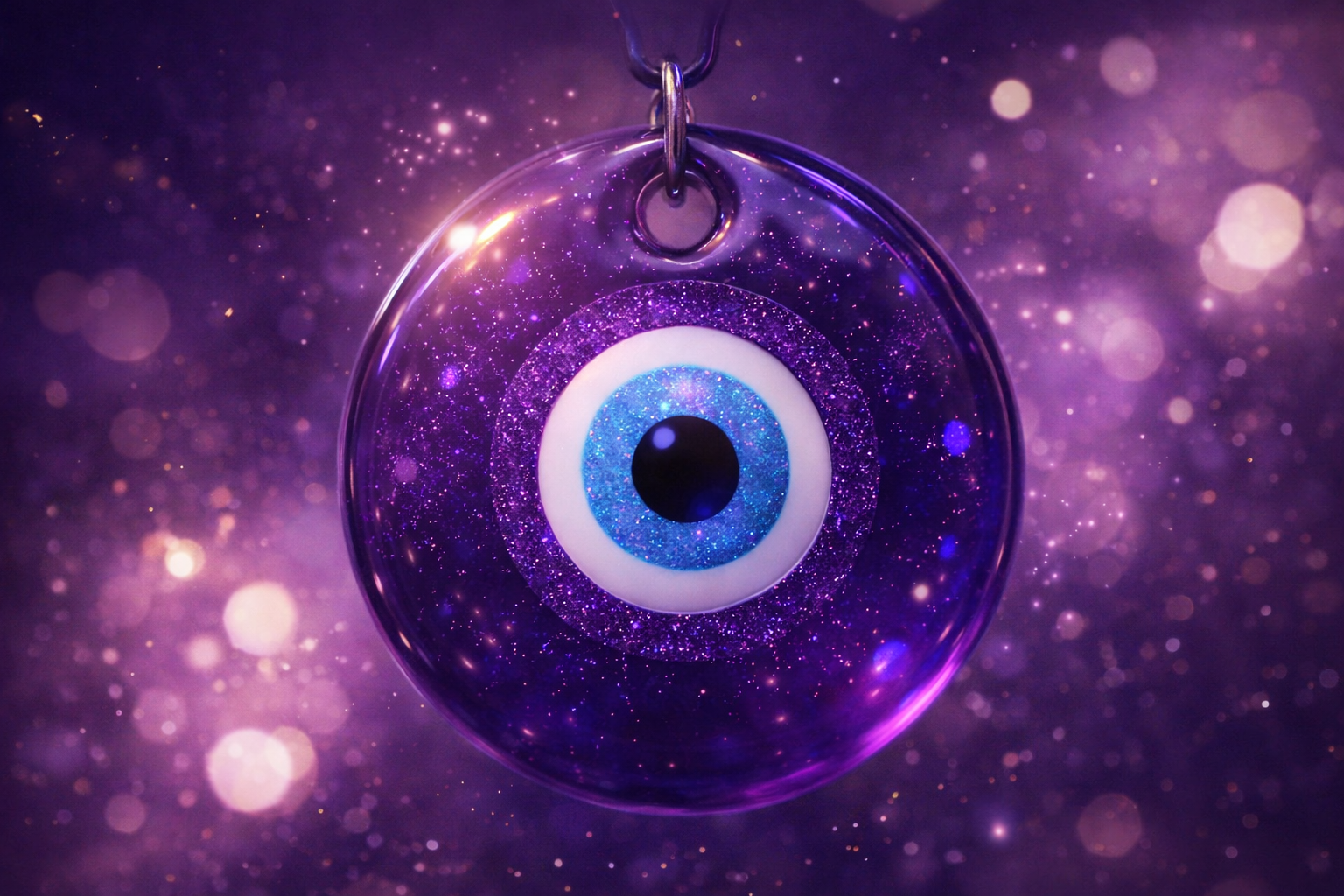
The evil eye, for example, appears across cultures under different names, all rooted in the idea of protecting yourself from jealousy or negative energy.
The Nazar and the Power of Intention
Whether you believe spiritually or symbolically, the Nazar represents awareness. It’s a reminder to protect your peace, guard your energy, and move intentionally through the world.
Belief vs. Habit: Does It Matter?
Some people fully believe. Others follow traditions “just in case.” Either way, superstition often connects us to ancestry, culture, and intuition.
Tea Time Truth:
You don’t have to believe in everything to respect where it comes from.
🎧 Want the full conversation? Listen to this episode of Tea Time with B & Kit wherever you stream podcasts.